Mobile AR
Plane, image and object-based interaction, camera workflows and spatial UI for supported iOS and Android devices.
AR DEVELOPMENT
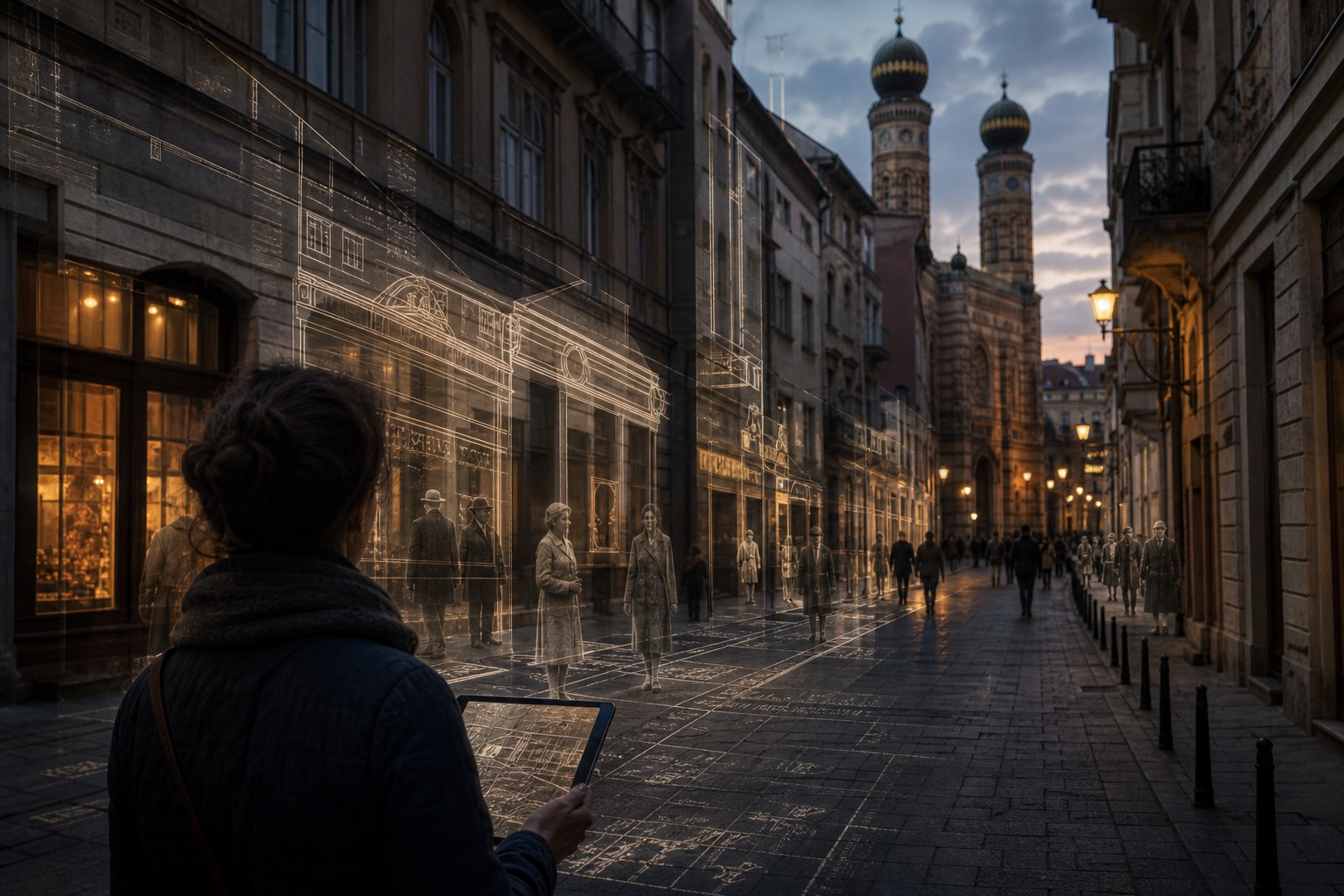
AR products for visualization, training, guidance and cloud-connected content.
WHAT WE BUILD
We build mobile and spatial products for visualization, location-based storytelling, training, guidance and connected content. Tracking quality, environment assumptions, device behavior and the user's real task shape the experience from the beginning.
Plane, image and object-based interaction, camera workflows and spatial UI for supported iOS and Android devices.
GPS, mapped locations, visual positioning, registration and on-site validation for experiences tied to the real world.
Product, industrial or training overlays with clear anchoring, scale, occlusion and interaction behavior.
Remote assets, media processing, content management, analytics and version-aware delivery to field applications.
HOW WE WORK
We define the environmental envelope and fallback behavior before producing large amounts of content. Real-location and real-device tests are treated as engineering milestones.
Document supported environments, lighting, connectivity, positioning needs, safety concerns and the user's intended action.
Build an on-device prototype that tests registration, discoverability, readability and recovery when tracking degrades.
Implement runtime interaction, asset workflows, backend delivery and authoring or administration tools.
Test at representative locations and devices, measure failure modes and prepare deployment and support procedures.
DELIVERABLES
The product may be a public mobile experience, an internal tool or a reusable platform for many locations and content sets.
TEAM EVIDENCE
Projects include original Backend Alchemist productions and work delivered by current team members in previous studio, leadership and contract roles. Each project page states the team's contribution.
FAQ
That depends on the environment and required accuracy. We compare plane or image tracking, GPS, visual positioning and constrained custom approaches against device coverage and field conditions.
Yes. We can design versioned asset delivery, media processing and administrative workflows so the application does not require a store release for every content change.
As soon as the positioning and user journey can be meaningfully exercised. Field assumptions are too important to postpone until content completion.
NEXT STEP
A technical lead will review the current state and recommend the smallest useful next step.
Start a project