Gameplay and systems engineering
Core loops, state, cameras, input, UI, progression, simulation and data-driven systems designed for iteration and testability.
UNITY DEVELOPMENT
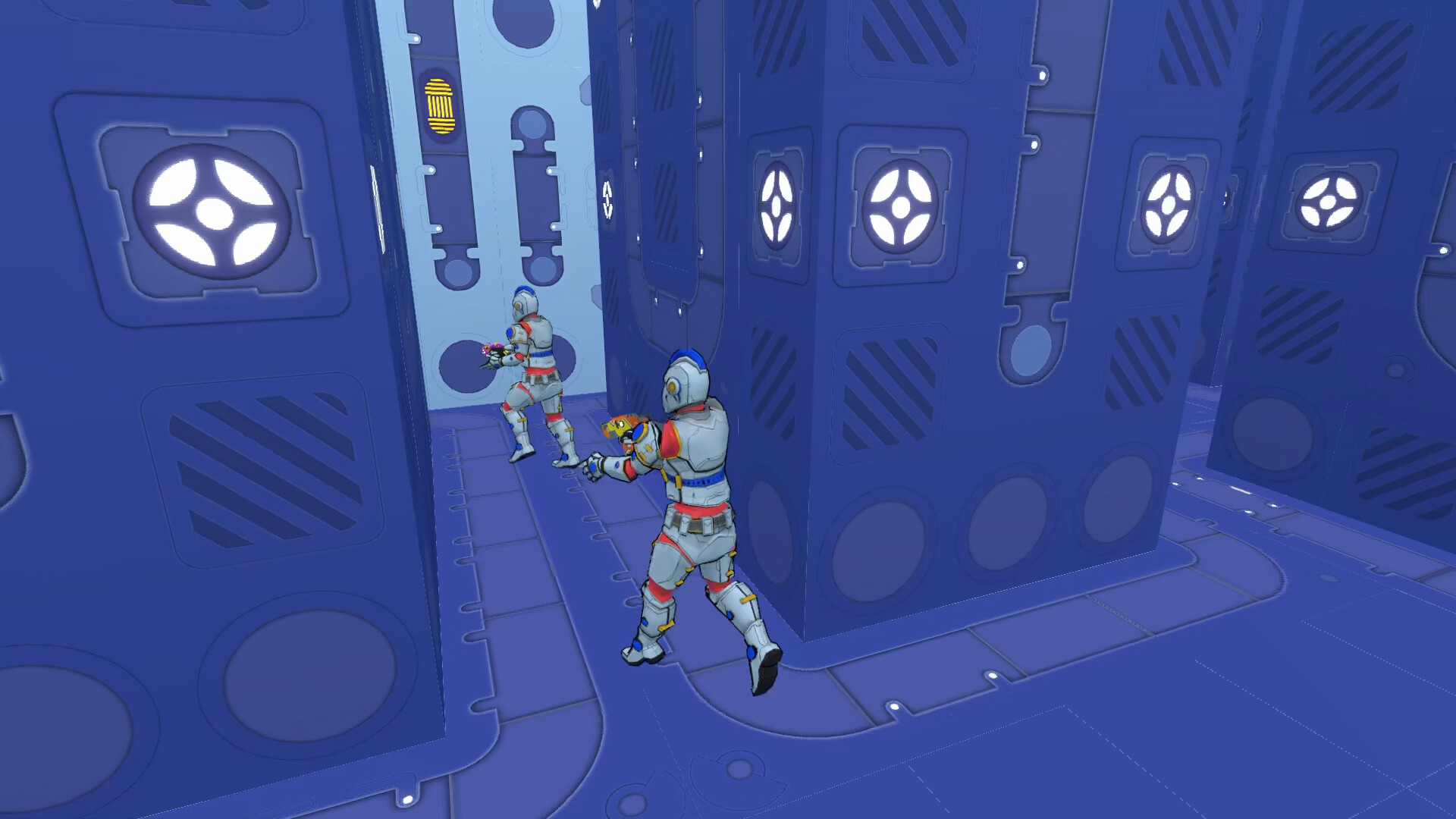
Unity engineering for gameplay, tools, performance, content pipelines and platform delivery.
WHAT WE BUILD
We work inside new or established Unity products across gameplay, architecture, editor tooling, rendering, content delivery and platform integration. The goal is not simply clean code; it is a project that can absorb content, survive change and produce reliable builds at the speed the product needs.
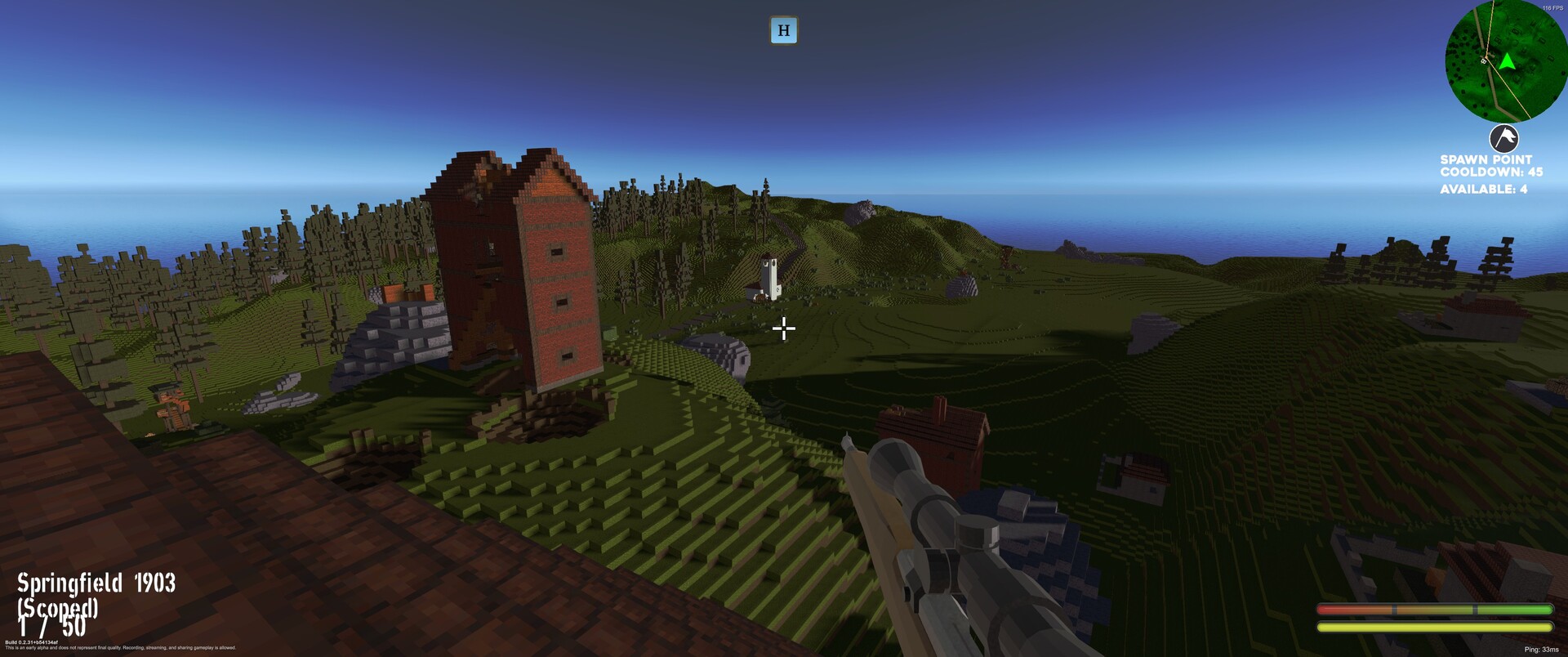
Core loops, state, cameras, input, UI, progression, simulation and data-driven systems designed for iteration and testability.
Custom tools, validation, asset workflows, Addressables strategy and build-time checks that let designers and artists work safely.
CPU, GPU, memory, loading and garbage-collection analysis followed by changes measured on representative target hardware.
SDKs, native capabilities, online services, headless servers, build automation and platform-specific release requirements.
HOW TEAMS USE US
Senior engineers join your repository and pipeline to own agreed features or systems alongside your team.
A profiling-led engagement on target hardware, from frame-time and memory budgets to verified fixes.
Editor tools, validation and build automation that reduce iteration time for designers and artists.
Connecting a Unity client to multiplayer networking or player services through versioned contracts.
Game backend developmentHOW WE WORK
We begin with the product constraints and the current project, not a preferred architecture pattern. Existing systems are preserved where they work; changes are prioritized by player impact, production friction and delivery risk.
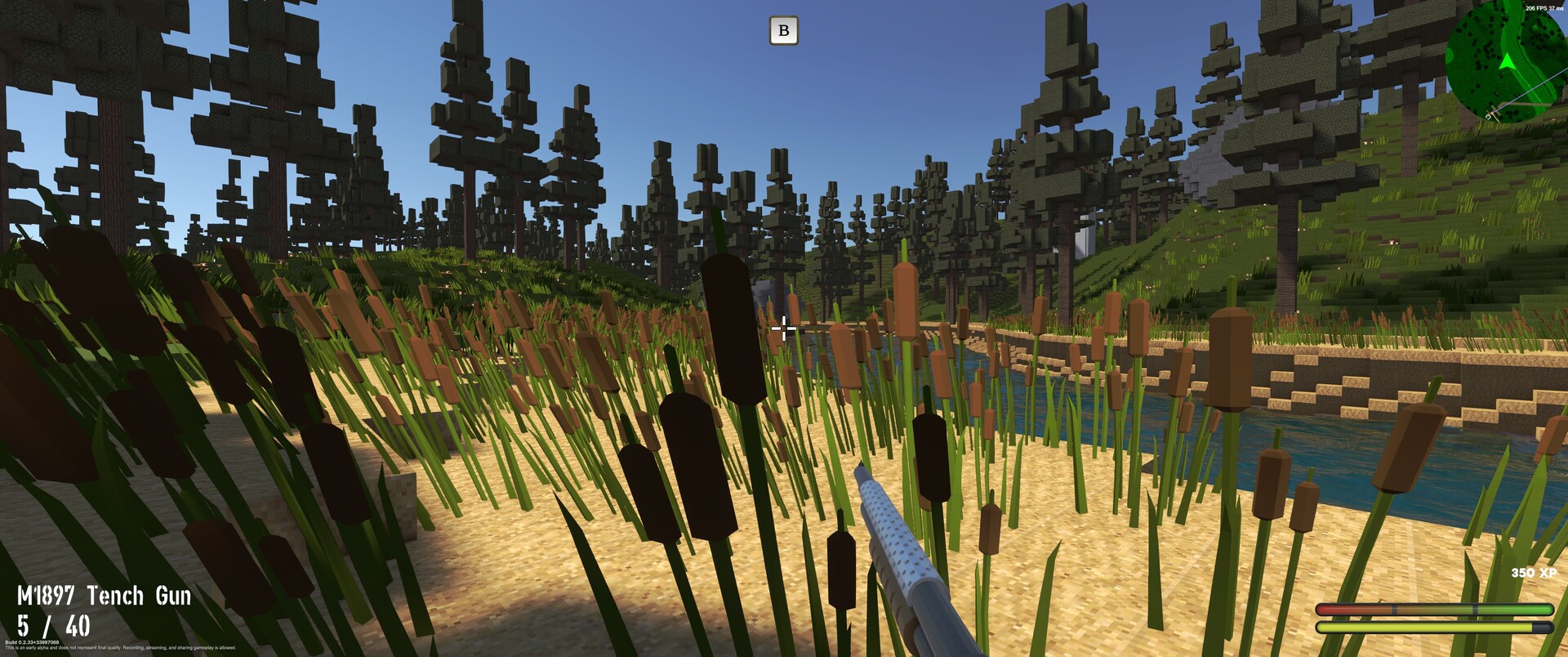
Review assemblies, dependencies, scenes, assets, build configuration, runtime profiles and the team's current pain points.
Agree target devices, frame time, memory, loading, build duration and iteration expectations.
Introduce systems in testable increments, with migration and compatibility planned for active content work.
Profile on device, automate builds, exercise failure paths and document the workflows the team will own.
DELIVERABLES
We provide production code and the practical tooling around it, not an isolated package that only its author understands.
TEAM EVIDENCE
Projects include original Backend Alchemist productions and work delivered by current team members in previous studio, leadership and contract roles. Each project page states the team's contribution.
FAQ
Yes. We first map the codebase, package and platform constraints, build health and ownership boundaries, then propose changes that can be introduced without freezing the rest of production.
Yes. We establish a reproducible profile on target hardware, rank bottlenecks by player impact and verify each optimization against the same scenario.
Yes. Editor tooling, import rules, data validation and content pipelines are often central to reducing production cost and release defects.
NEXT STEP
A technical lead will review the current state and recommend the smallest useful next step.
Start a project