Queue and rule design
Search expansion, skill windows, latency limits, party treatment, role constraints and wait-time policy.

MATCHMAKING
Skill, latency, party, wait-time and server-capacity rules that operators can observe and tune.
WHAT WE BUILD
We build matchmaking and lobby flows around the population your game actually has. Skill, latency, parties, regions, modes, backfill and server supply become observable rules that operators can tune as conditions change.
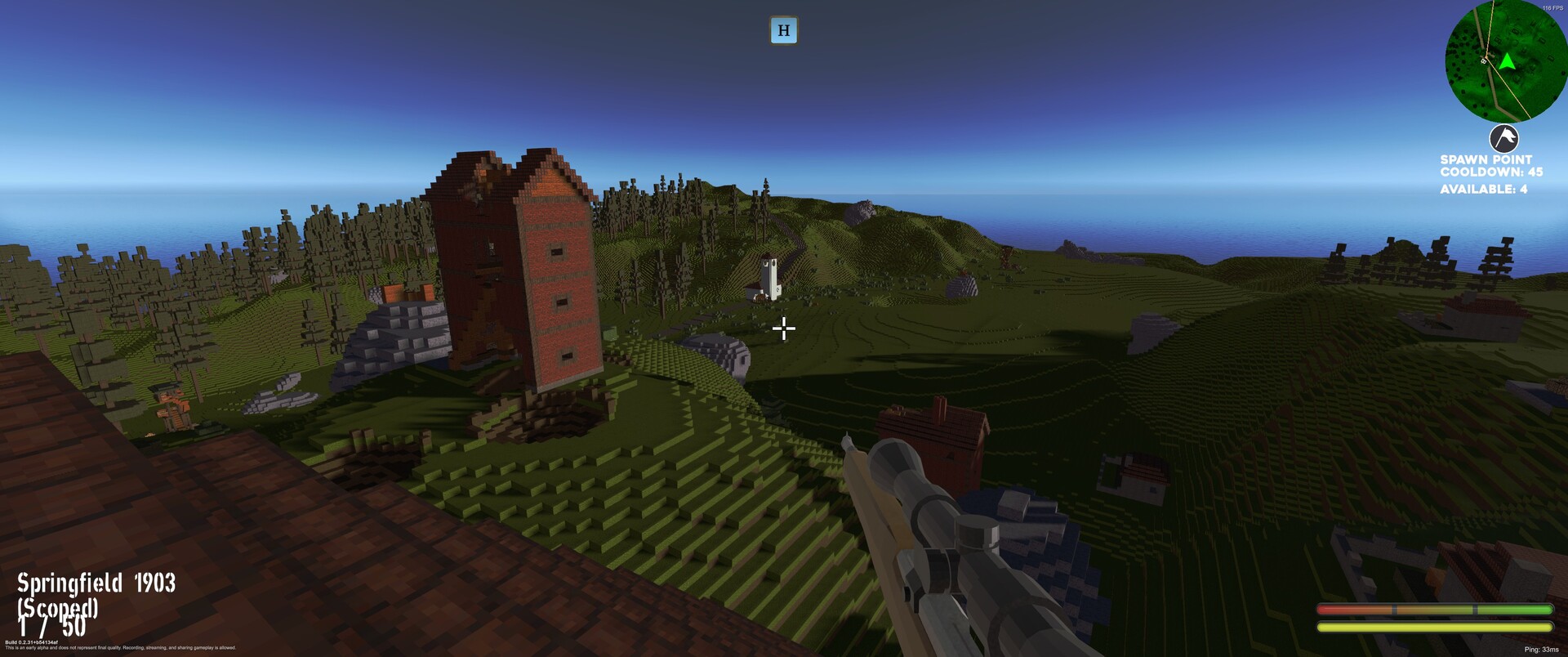
Search expansion, skill windows, latency limits, party treatment, role constraints and wait-time policy.
Invites, leadership, readiness, cancellation, reconnects, private sessions and handoff into an allocated match.
Connect match formation to regional capacity, versioned builds, warm pools, admission and failure recovery.
Metrics, dashboards, configuration and experiments for queue health, match quality, failures and population shifts.
HOW WE WORK
We model representative population distributions before implementation, then keep rules configurable and outcomes measurable so operators can trade match quality against wait time deliberately.
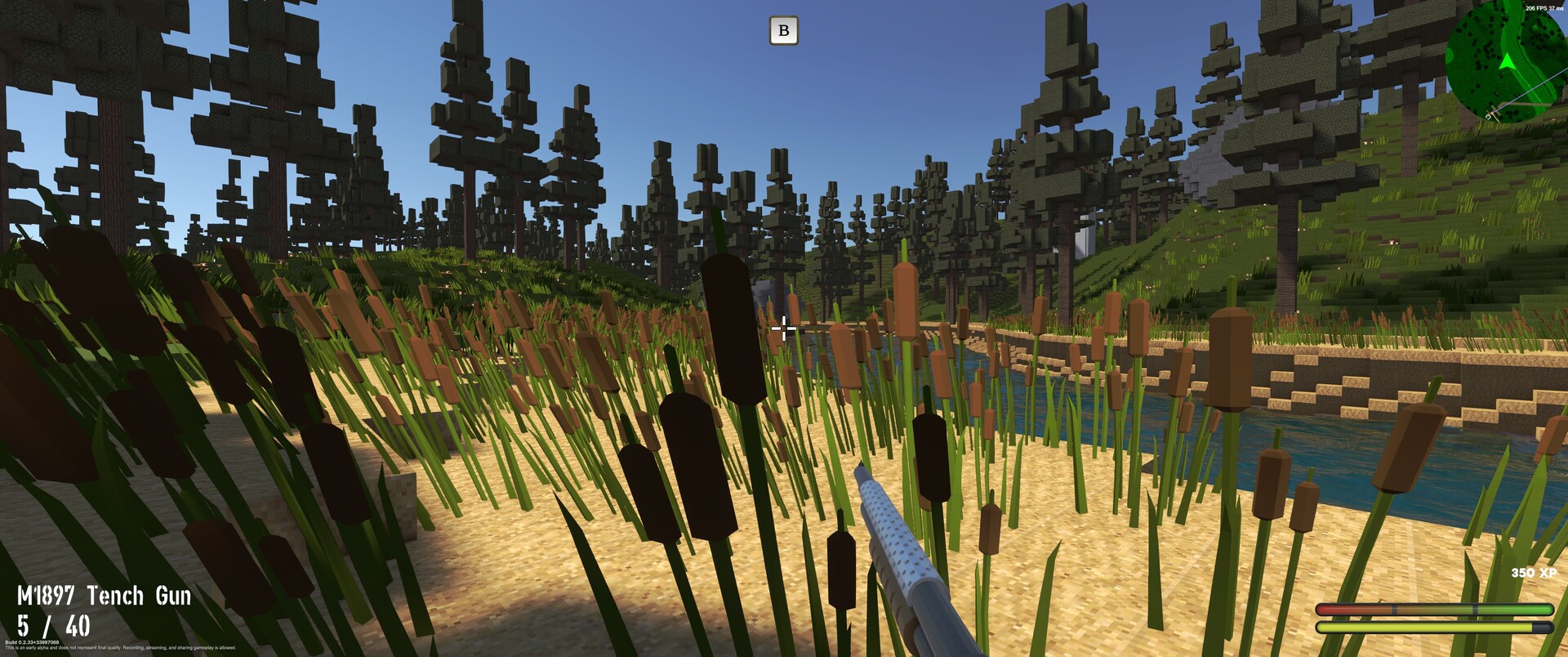
Document parties, modes, skill signals, latency, region, team composition, join-in-progress and competitive integrity.
Use expected and adverse player distributions to expose impossible rules, sparse queues and capacity pressure.
Build queue, lobby, allocation and failure handling with idempotent transitions and visible ownership.
Measure search time, expansion, abandonment, match composition and allocation failures in production.
DELIVERABLES
A useful delivery includes the operating model and tuning surfaces, not only an endpoint that returns a match.
TEAM EVIDENCE
Projects include original Backend Alchemist productions and work delivered by current team members in previous studio, leadership and contract roles. Each project page states the team's contribution.
FAQ
Not automatically. We evaluate the competitive goal, population, party behavior and quality signals before adding a skill model that may fragment queues.
Search expansion, region rules, mode consolidation, backfill and bots are product choices. We model the trade-offs and expose them to operators.
Yes, where safe. We separate validated configuration from code and include versioning, rollout and auditability for live changes.
NEXT STEP
A technical lead will review the current state and recommend the smallest useful next step.
Start a project