Touch-first gameplay
Controls, camera, UI density, feedback and onboarding designed for short, interrupted sessions and a wide range of screens.
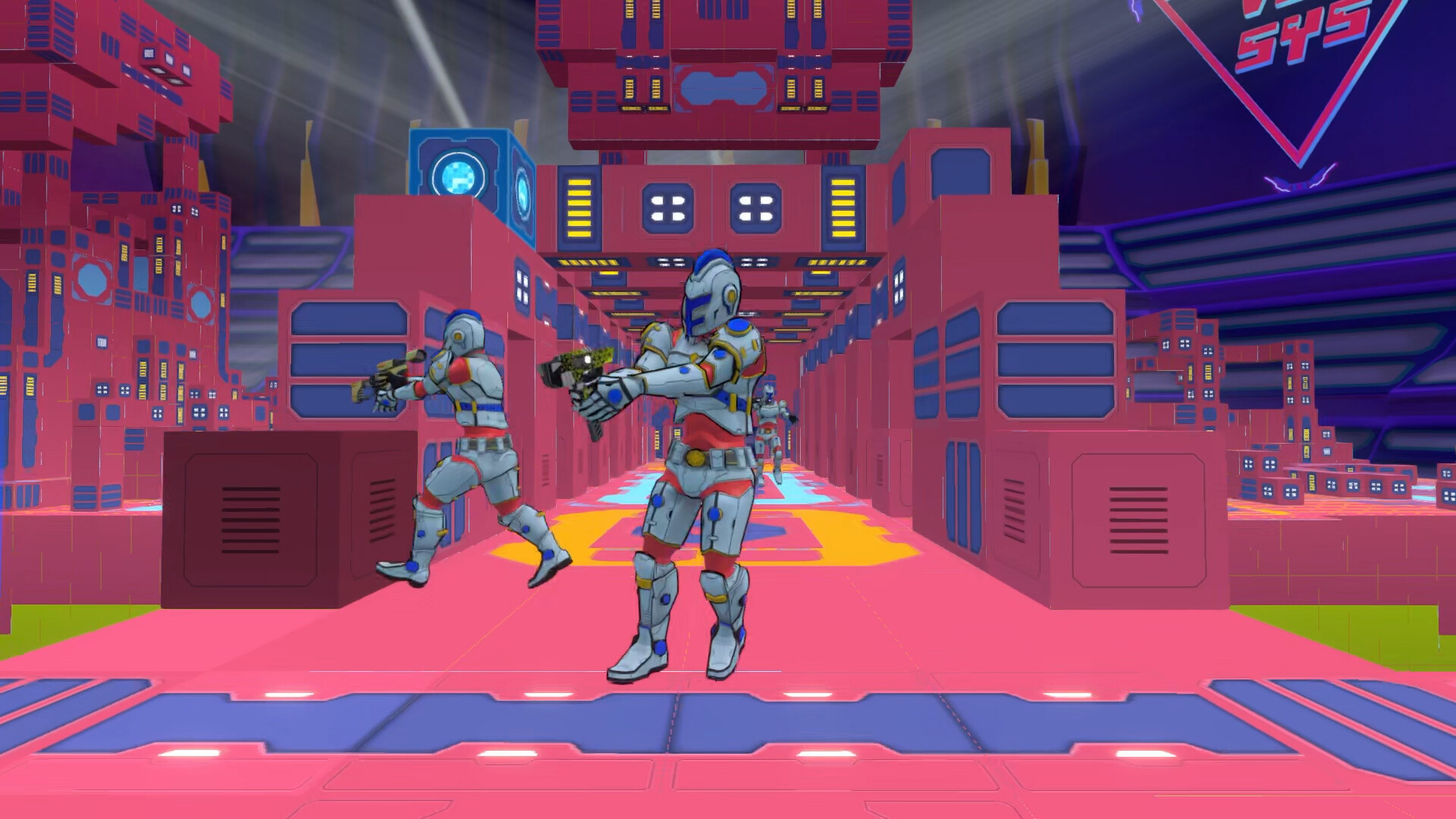
Mobile games designed around the device, network and business model
MOBILE GAME DEVELOPMENT
WHAT WE BUILD
We develop and port Unity games for iOS and Android with touch interaction, device diversity, thermal behavior, network transitions, store services and frequent updates treated as product constraints.
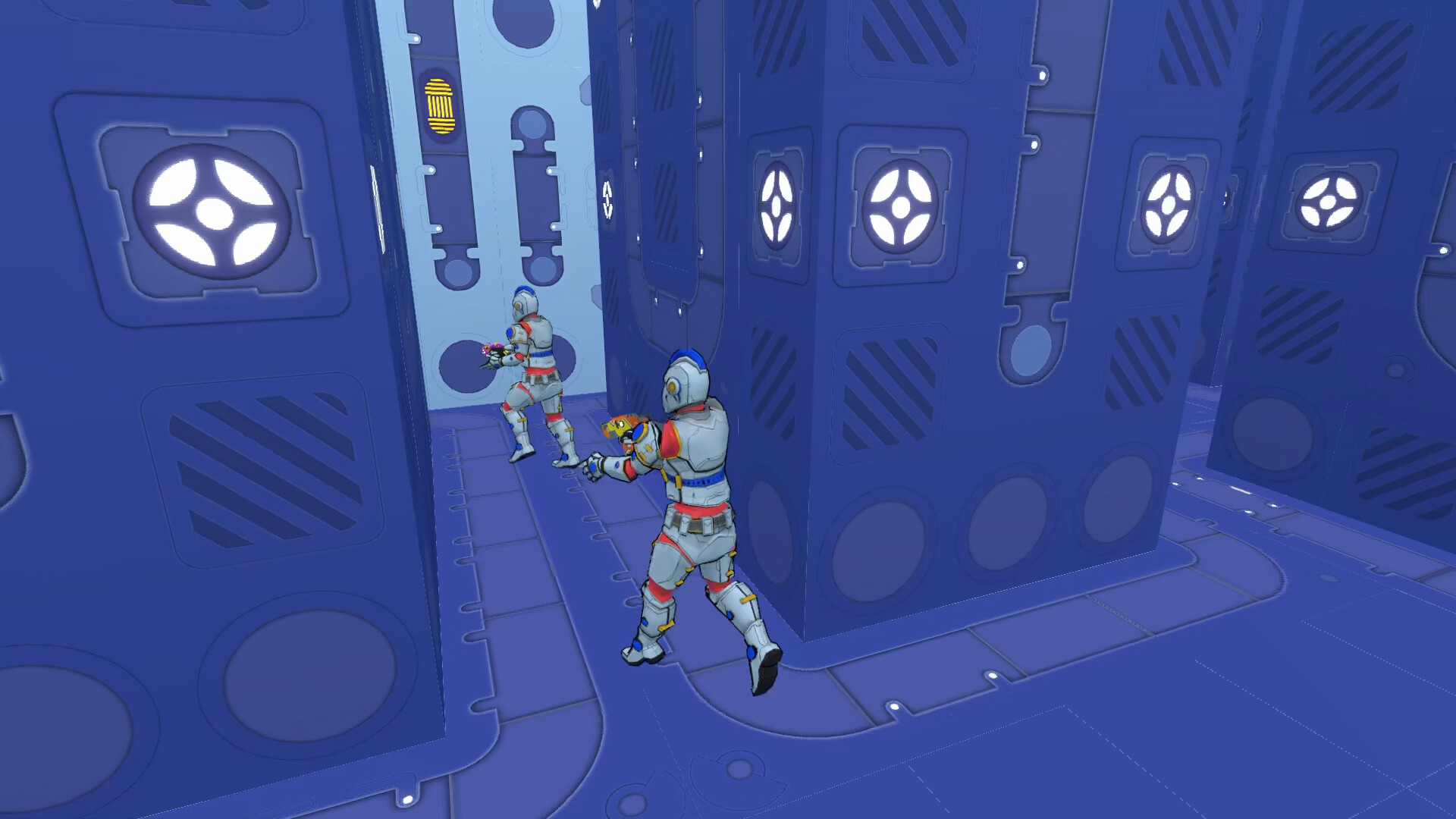
Controls, camera, UI density, feedback and onboarding designed for short, interrupted sessions and a wide range of screens.
CPU, GPU, memory, download size, battery and thermal budgets measured across representative hardware tiers.
Identity, cloud saves, progression, purchases, notifications, remote configuration, analytics and live events integrated through explicit contracts.
Build variants, signing, privacy settings, SDK maintenance, staged rollout and version compatibility for recurring releases.
HOW WE WORK
We choose a supported device matrix and network assumptions before optimizing. Automated builds and on-device profiling remain part of every meaningful milestone.
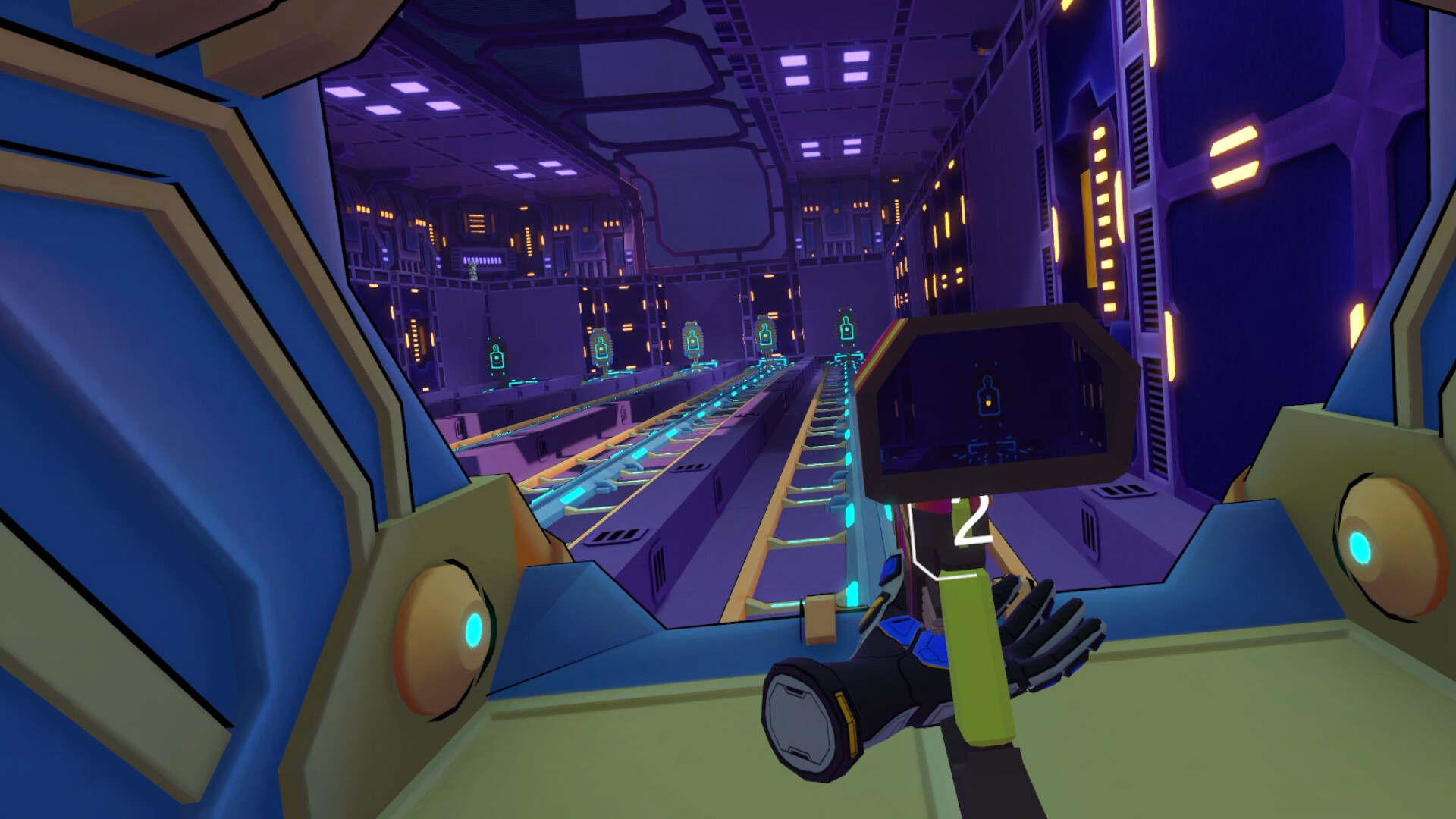
Agree device tiers, orientation, session model, connectivity, download limits, monetization and store targets.
Validate controls, readability, loading and the core loop on phones rather than relying on editor play mode.
Connect platform SDKs and backend features with retry, offline and version behavior made explicit.
Test representative devices, automate signed builds, stage rollout and monitor stability and performance.
DELIVERABLES
We can deliver the client, specific systems or a porting and stabilization workstream.
TEAM EVIDENCE
Projects include original Backend Alchemist productions and work delivered by current team members in previous studio, leadership and contract roles. Each project page states the team's contribution.
FAQ
Yes, where the product scope and required native integrations are supported. We identify platform differences and device coverage during discovery.
Often, but interaction, content, shaders, memory and business systems usually require deliberate adaptation rather than a direct build.
Yes. Remote configuration, progression, events, notifications and analytics are designed with backend ownership and version compatibility in view.
NEXT STEP
A technical lead will review the current state and recommend the smallest useful next step.
Start a project