Challenge
Make the product experience reliable within its documented performance, platform and delivery constraints.
Beanstalker
One of our defining shipped titles: a VR climbing action-adventure set across enormous procedurally generated vertical worlds. Players climb, fight, loot and craft swords, crossbows, shields, grenades and grappling hooks while adapting to changing quests, biomes, enemies, puzzles and bosses. Built for sustained 90+ FPS and later expanded with four-player online co-op, Bean Stalker sold 60,000 copies and currently holds a Very Positive Steam rating from 190 reviews, with 35 achievements and multiple major content updates.
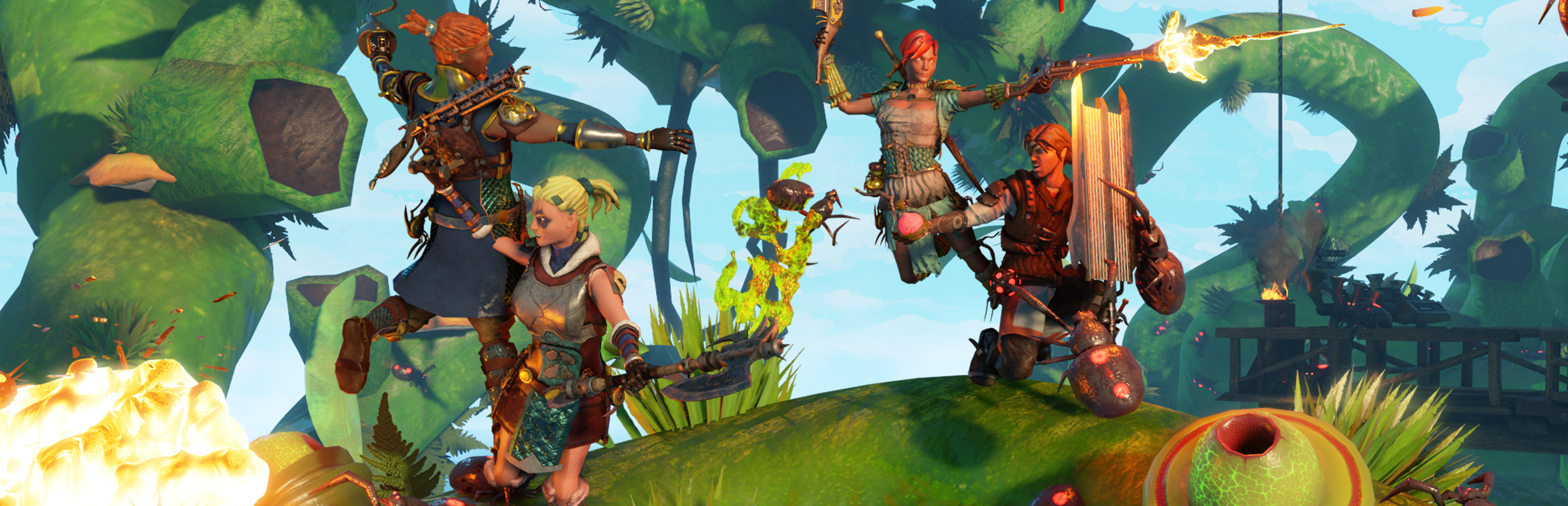
GAMEPLAY
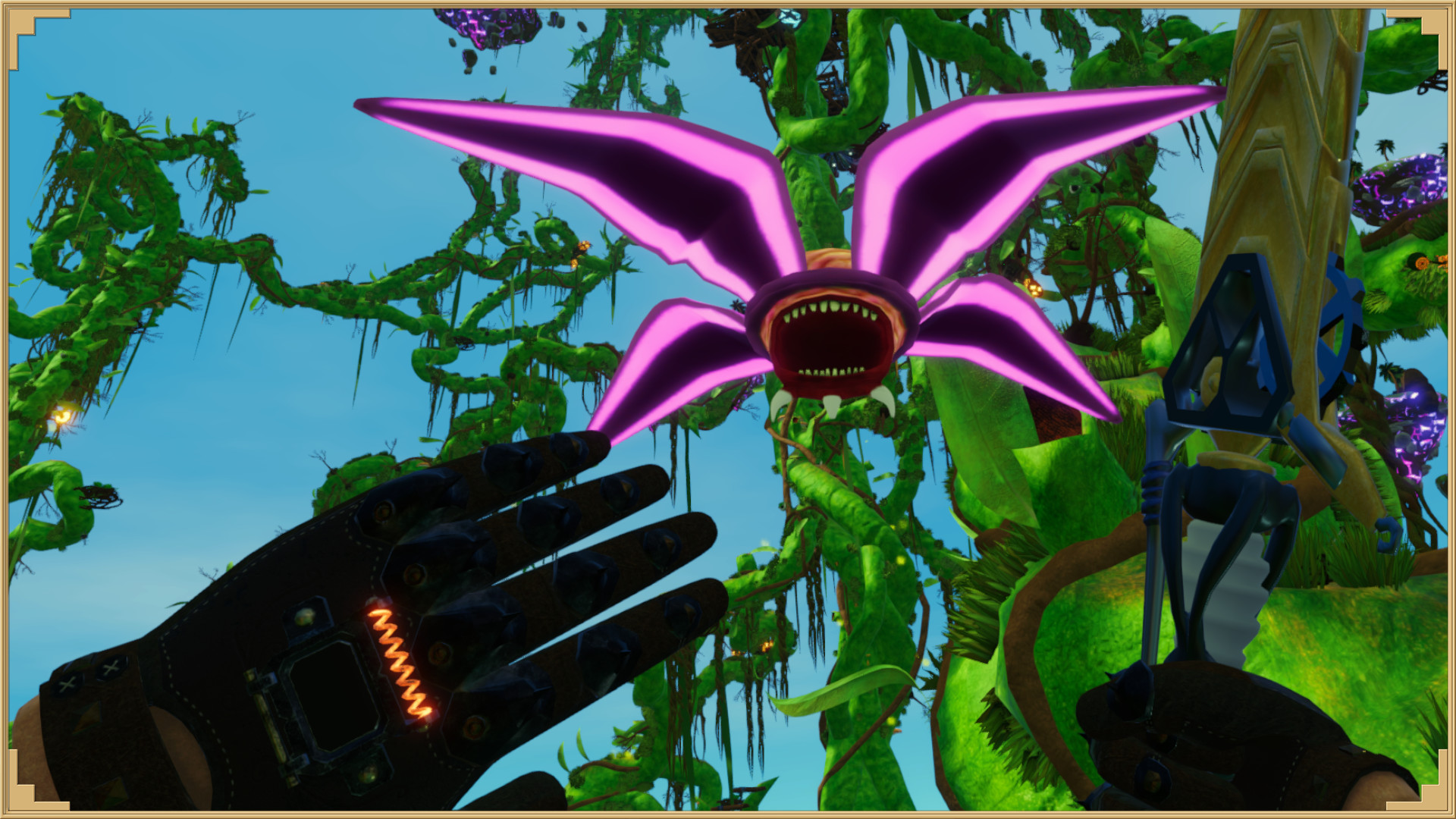
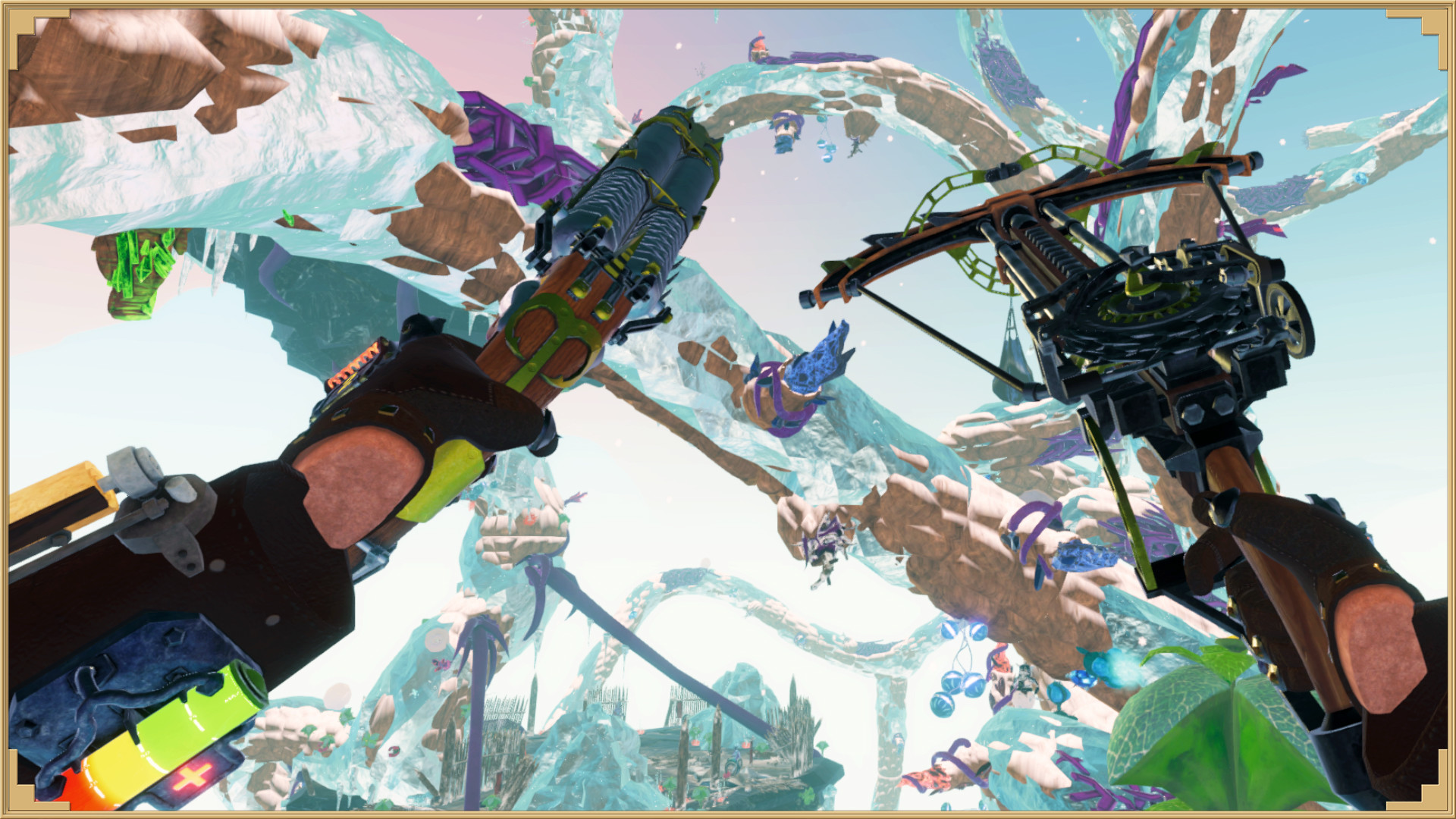
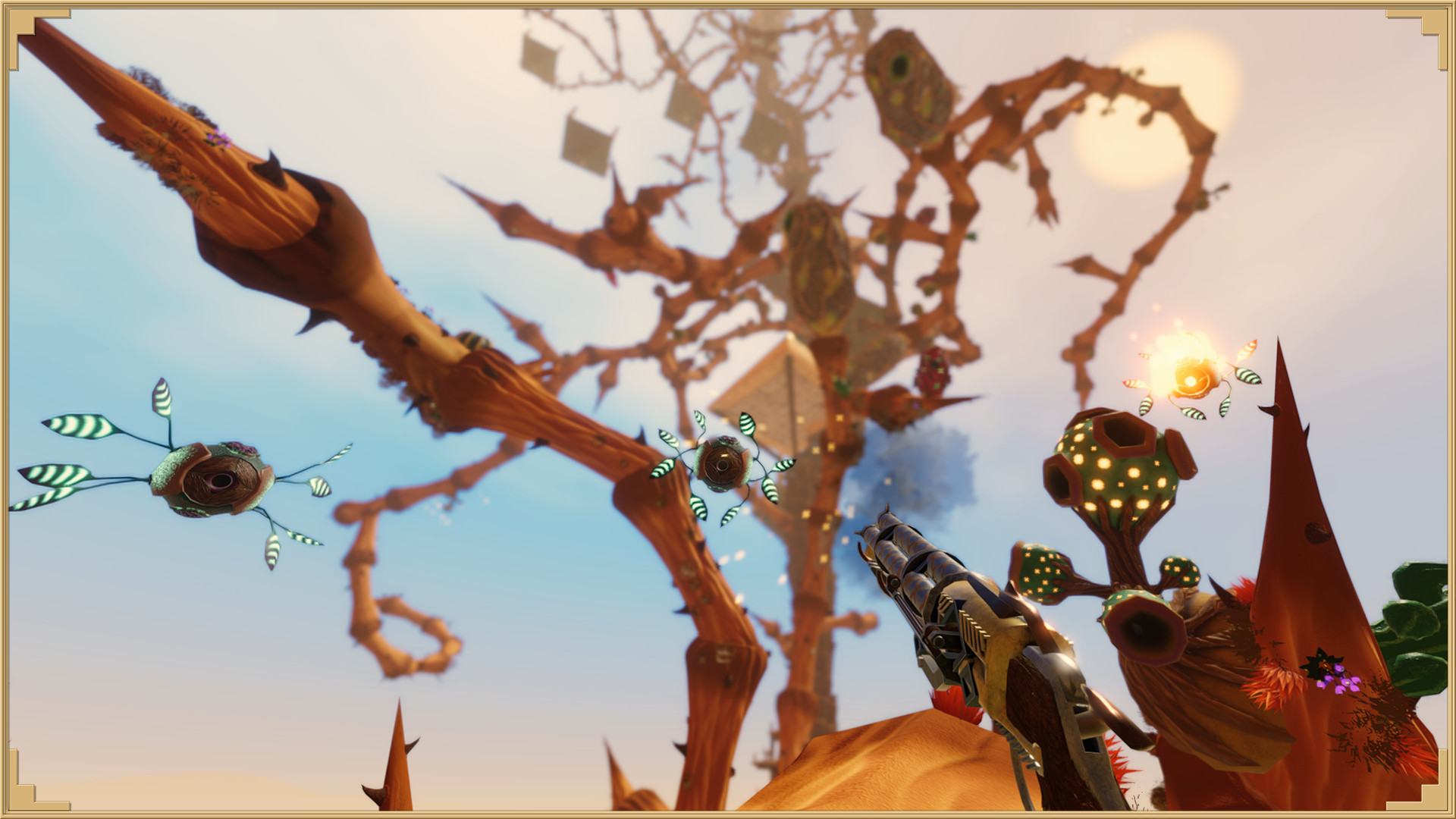
PROJECT CONTEXT
This case study describes selected team experience without implying unsupported sole ownership by Backend Alchemist.
Make the product experience reliable within its documented performance, platform and delivery constraints.
Connect gameplay or immersive client decisions with multiplayer, backend and production operations where the source supports it.
Only the verified outcome and metrics shown in the evidence block are claimed publicly.
CAPABILITY MAP
Clarify constraints, success criteria and technical boundaries.
Build in visible increments with ownership close to the code.
Test performance, recovery and real operating conditions.
Leave documentation, observability and a maintainable next step.
FAQ
We begin with current state, constraints, success criteria and the highest-risk assumption before defining implementation.
Yes. Ownership boundaries, codebase condition and delivery risk are mapped before production systems change.
Handover, embedded capacity or managed operation are agreed around the product and internal team.
NEXT STEP
A technical lead will review the current state and recommend the smallest useful next step.
Start a project