Challenge
Make the product experience reliable within its documented performance, platform and delivery constraints.
Incrempire
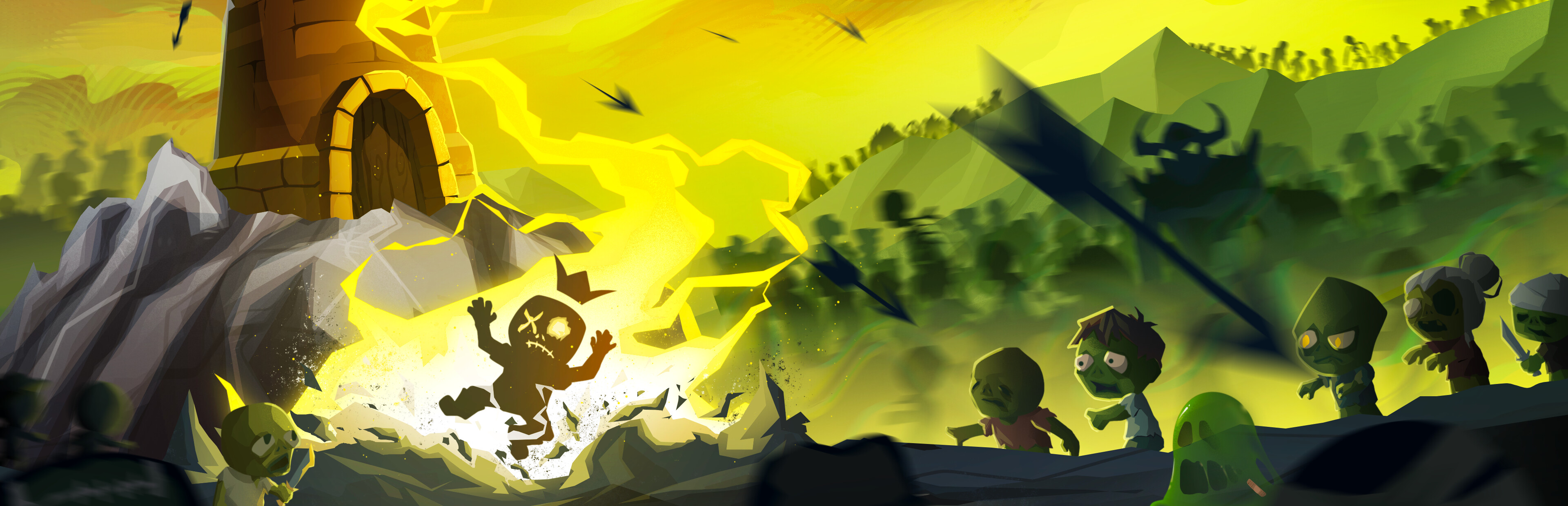
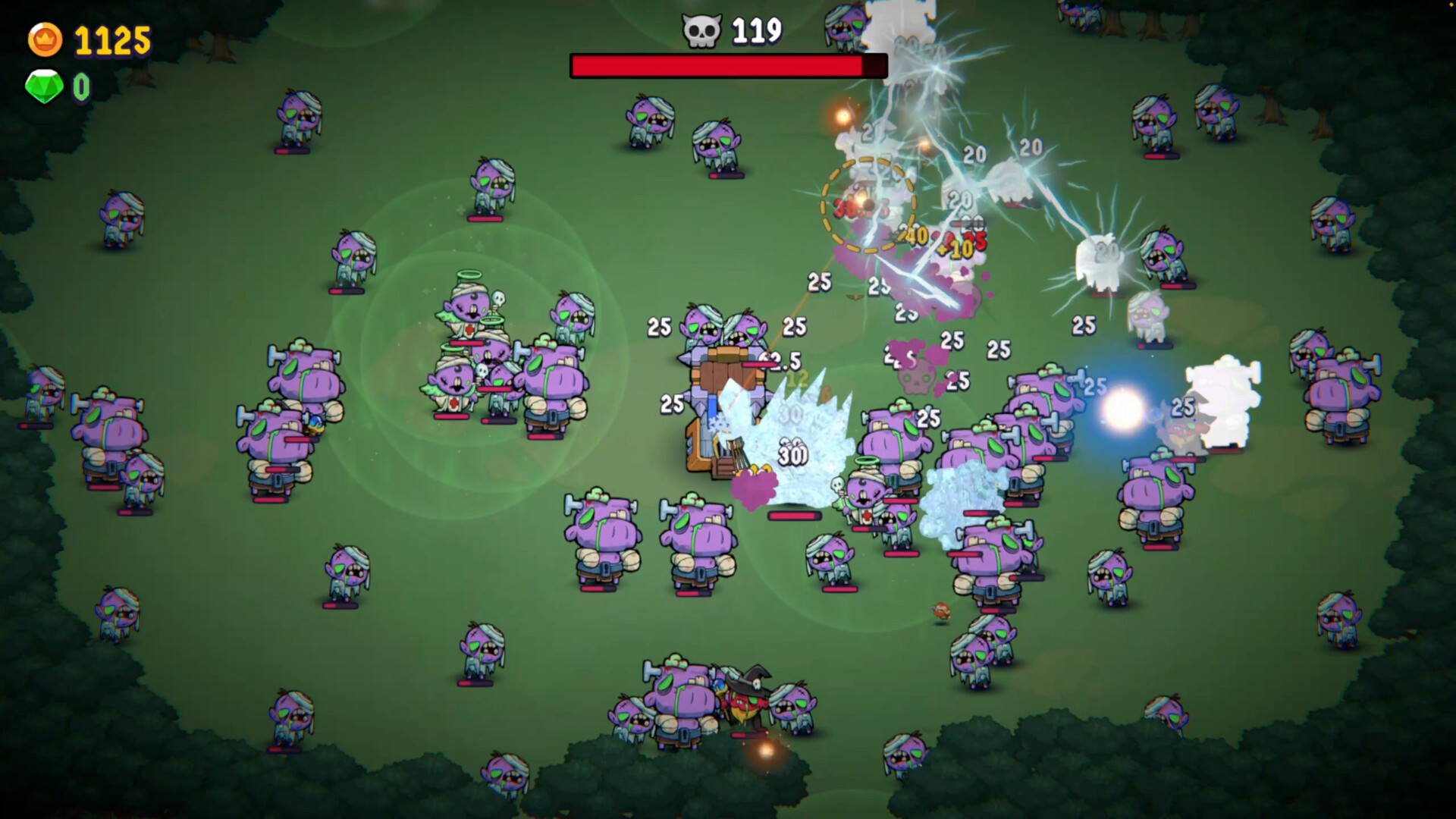
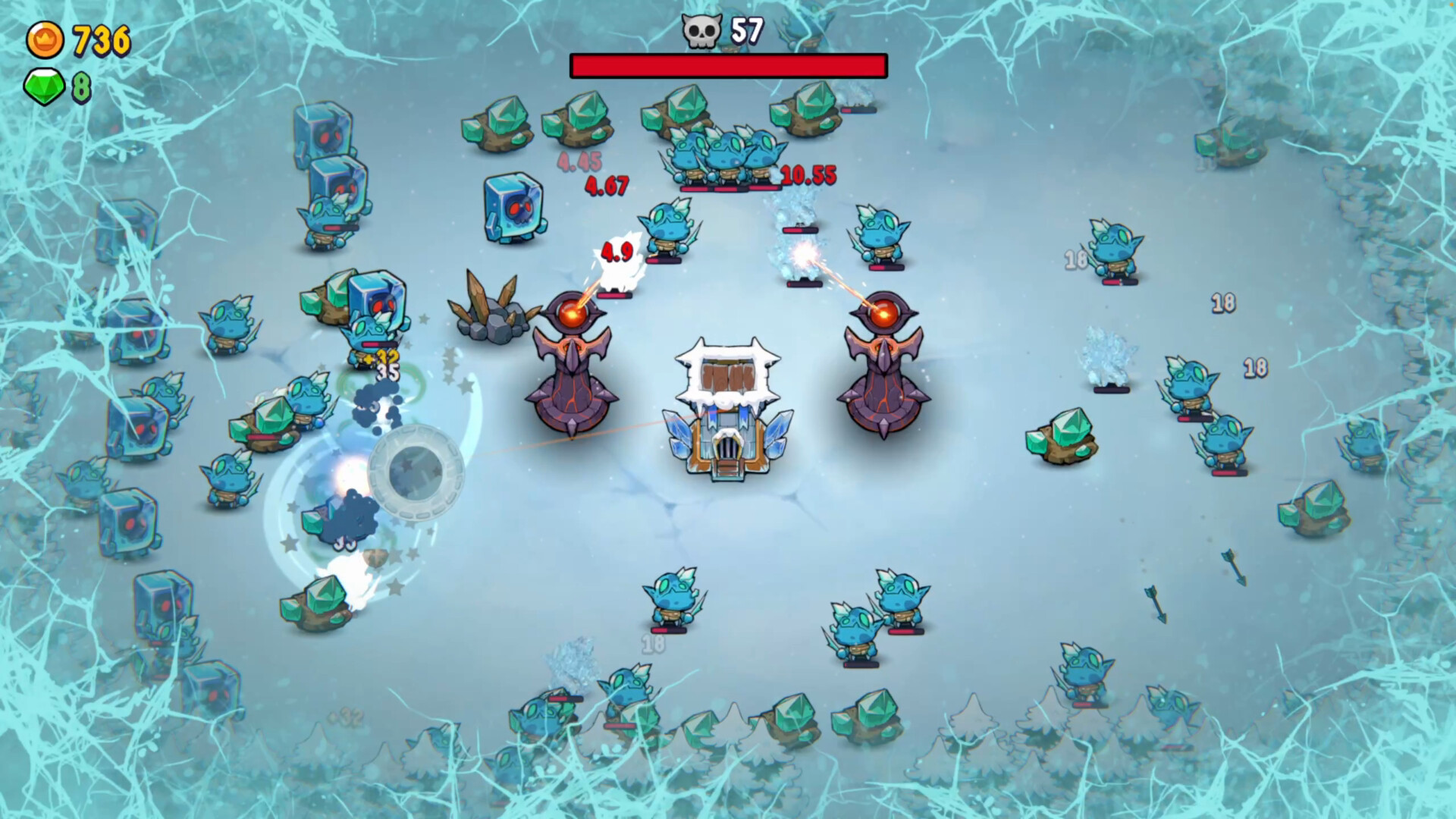
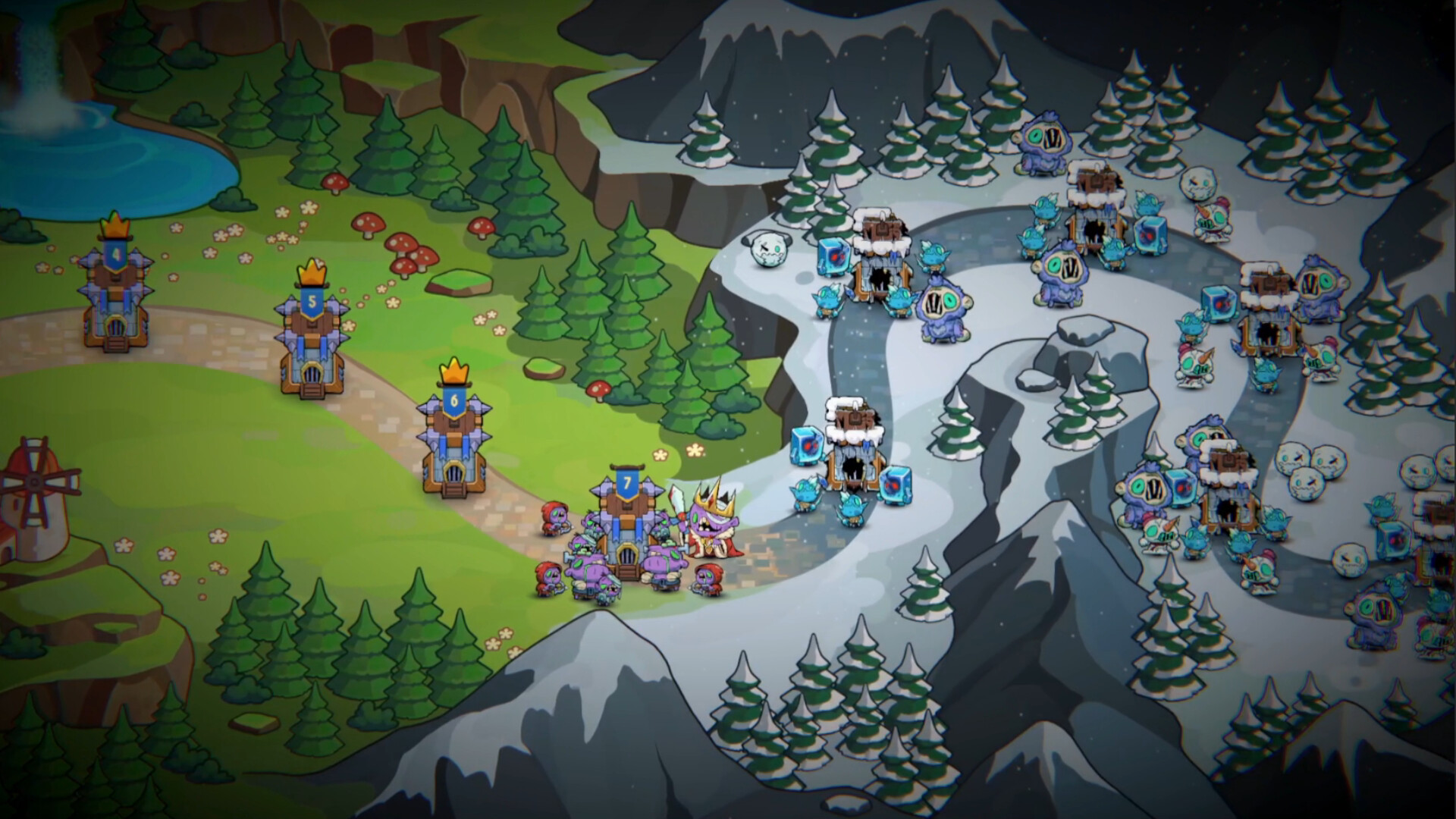
One of our featured releases: a relaxing incremental survival and base-defense game where every defeat feeds permanent progression. Players defend a kingdom across 25 levels and four biomes, combine a deep skill tree with run-specific blessings, unlock spells, towers, mining and rune systems, and experiment with different builds. Following a rapid two-month public-demo cycle, Incrempire launched on Steam for Windows, macOS and Linux with Steam Deck support, achievements, leaderboards and eight interface languages.
GAMEPLAY
PROJECT CONTEXT
This case study describes selected team experience without implying unsupported sole ownership by Backend Alchemist.
Make the product experience reliable within its documented performance, platform and delivery constraints.
Connect gameplay or immersive client decisions with multiplayer, backend and production operations where the source supports it.
Only the verified outcome and metrics shown in the evidence block are claimed publicly.
FOR STUDIOS
Incrempire reached a public Steam demo in two months and then shipped as a full Steam release. If you need to validate a game quickly with real players, we can scope a prototype, a vertical slice or full production.
CAPABILITY MAP
Clarify constraints, success criteria and technical boundaries.
Build in visible increments with ownership close to the code.
Test performance, recovery and real operating conditions.
Leave documentation, observability and a maintainable next step.
FAQ
We begin with current state, constraints, success criteria and the highest-risk assumption before defining implementation.
Yes. Ownership boundaries, codebase condition and delivery risk are mapped before production systems change.
Handover, embedded capacity or managed operation are agreed around the product and internal team.
NEXT STEP
A technical lead will review the current state and recommend the smallest useful next step.
Start a project