Navigation and pathfinding
A*, hierarchical or domain-specific navigation, dynamic obstacle updates, reachability and multiplayer-aware movement for unusual worlds.
Algorithms engineered for the workload that actually matters
ALGORITHM DEVELOPMENT & OPTIMIZATION
WHAT WE BUILD
Some products fail because a core workload grows faster than a general-purpose solution can handle. We design and implement algorithms around the real topology, update frequency, hardware and correctness requirements, then integrate them with the surrounding Unity or backend system.
A*, hierarchical or domain-specific navigation, dynamic obstacle updates, reachability and multiplayer-aware movement for unusual worlds.
Octrees, grids, spatial hashes and custom indexes for visibility, proximity, collision candidates, world queries and streaming.
Terrain generation, chunking, greedy meshing, modification, persistence and data transfer for large or player-editable worlds.
Data layout, batching, caching, Unity Burst and Job System work driven by profiles instead of fashionable rewrites.
HOW WE WORK
Algorithm work begins with evidence. We preserve a correct reference where possible, create representative datasets and measure total system cost—including synchronization, memory and integration overhead.
Capture input sizes, mutation patterns, correctness rules, target hardware and the performance budget that matters to the product.
Create benchmarks and representative scenes or datasets so improvements can be compared honestly.
Select or adapt the algorithm, data layout and concurrency model, then connect it to gameplay and production tooling.
Test worst cases, memory behavior and failure modes, then document assumptions and safe extension points.
DELIVERABLES
The result includes the evidence required to maintain the system, not only optimized source code.
TEAM EVIDENCE
Projects include original Backend Alchemist productions and work delivered by current team members in previous studio, leadership and contract roles. Each project page states the team's contribution.
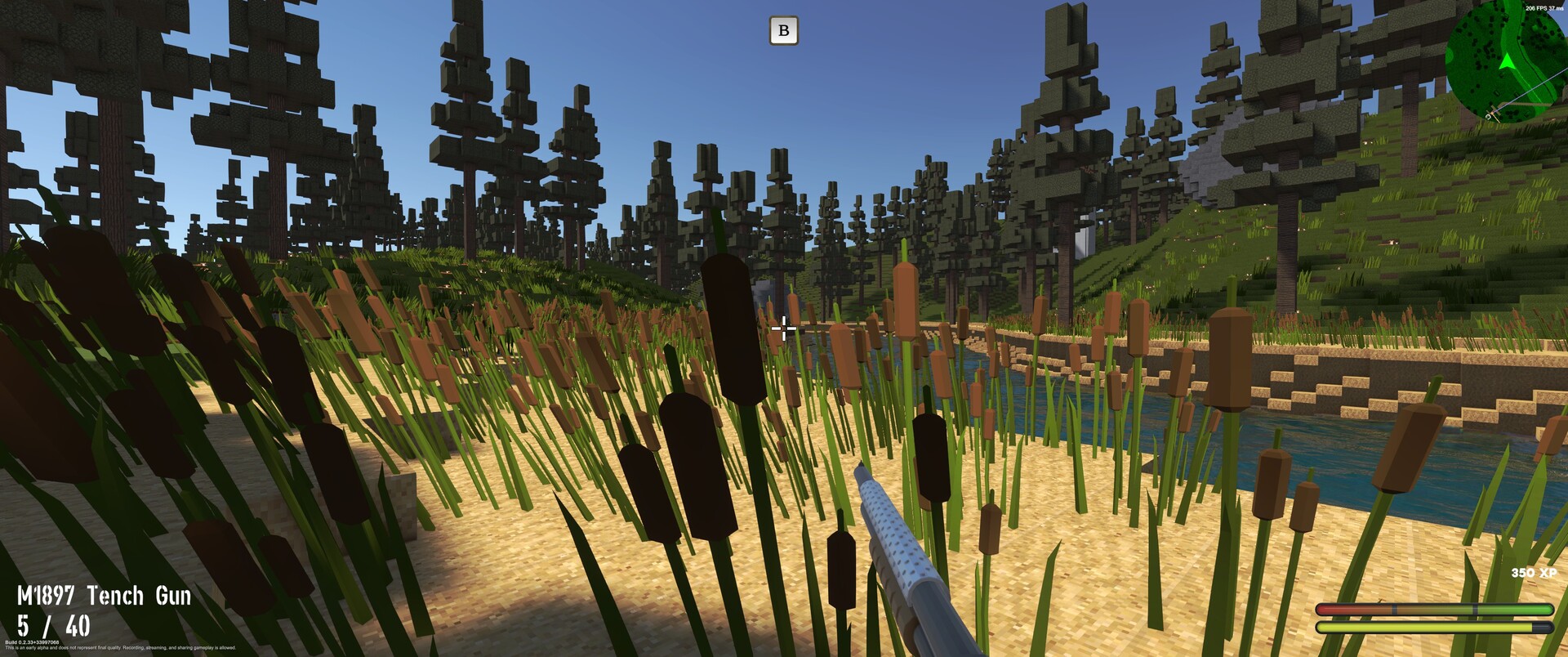
Bad Goons
Dynamic voxel terrain requires spatial queries, runtime modification, geometry generation and network-aware world state to operate as one system.
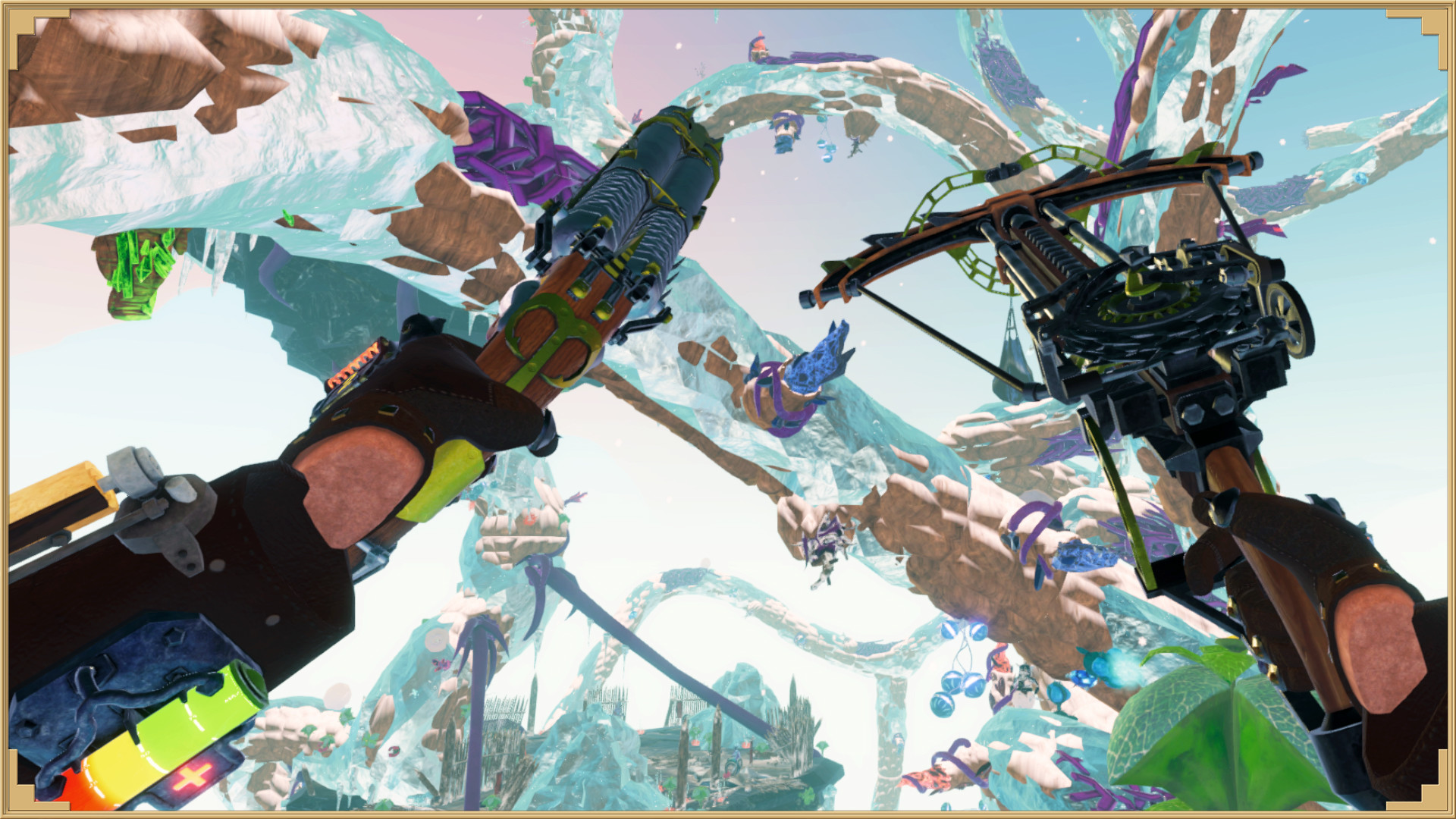
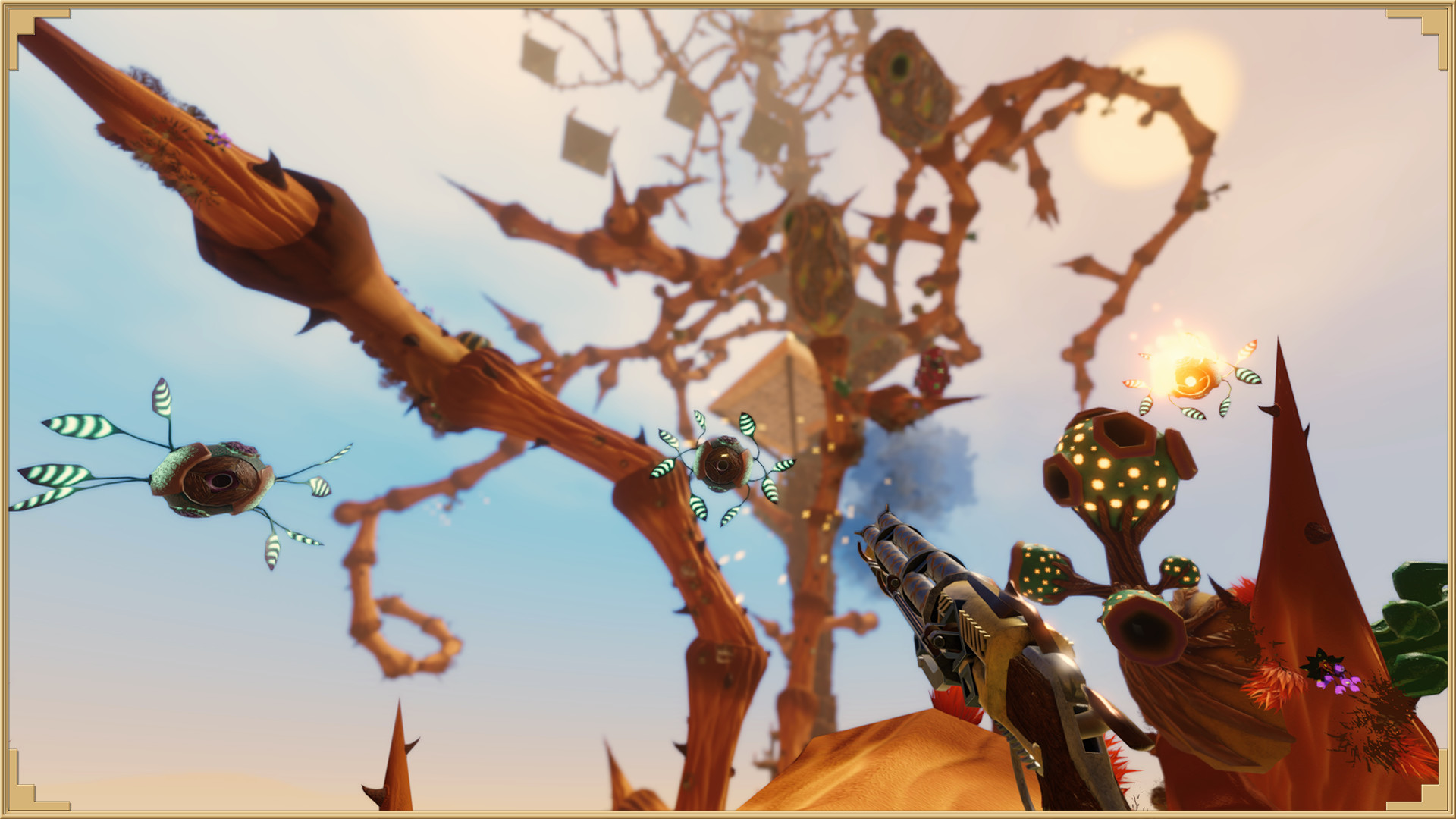
View projectBeanstalker
A four-kilometre procedural VR world demonstrates procedural-system and performance experience under a strict headset frame budget.
View projectFAQ
We profile first. The bottleneck may be data movement, allocation, synchronization or an integration pattern rather than big-O complexity.
Yes, when the workload is suitable. We account for data layout, scheduling overhead, safety constraints and maintainability rather than parallelizing by default.
That is a delivery requirement. We document invariants, limits and test scenarios so future changes can be evaluated without rediscovering the design.
NEXT STEP
A technical lead will review the current state and recommend the smallest useful next step.
Start a project