Decision architecture
State machines, behavior trees, utility systems, goal-oriented planning and hybrids organized for readable authoring and debugging.
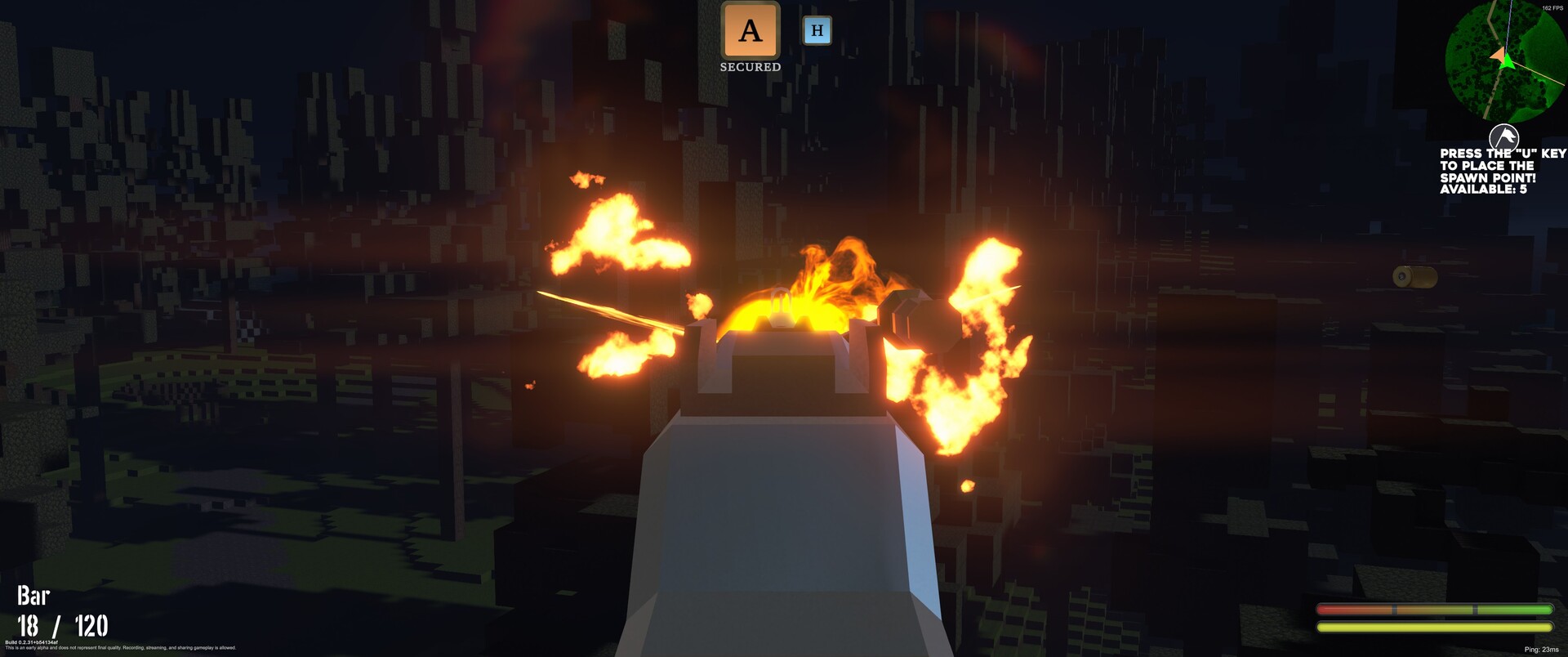
Game AI built around player perception and realtime constraints
GAME AI DEVELOPMENT
WHAT WE BUILD
We create NPC decision-making, navigation, tactics, group behavior, encounter direction and simulation systems. Classical realtime approaches and generative AI can coexist, but each is used only where its behavior, latency and operating cost fit the game.
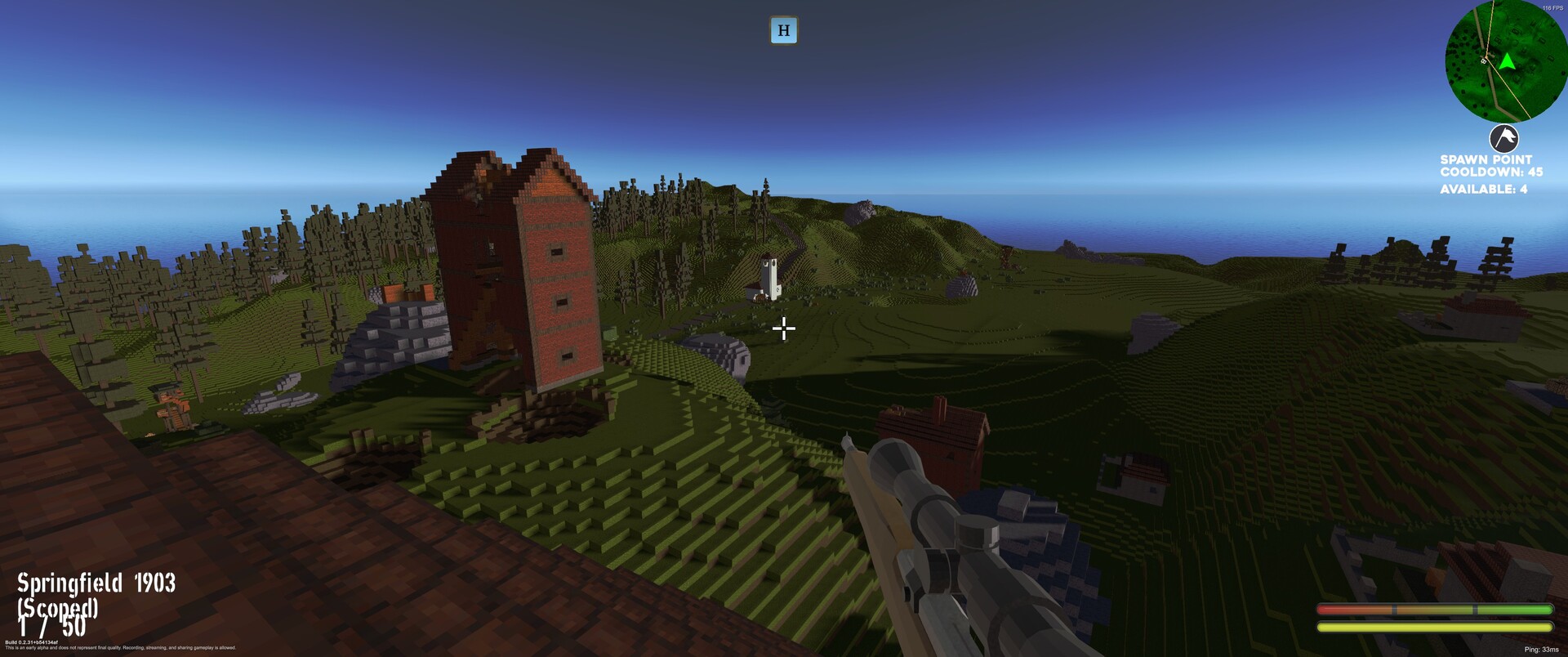
State machines, behavior trees, utility systems, goal-oriented planning and hybrids organized for readable authoring and debugging.
Nav meshes, grids, custom pathfinding, steering, avoidance and spatial queries for static, procedural or destructible worlds.
Target selection, cover, squads, economies, populations, encounter directors and systemic responses to player behavior.
Server-authoritative NPCs, relevance and bandwidth controls, plus dialogue or content generation where a bounded model improves the product.
HOW WE WORK
We define the behavior the player should perceive before choosing an implementation. Debug views, authoring controls and performance budgets are designed with the runtime system.
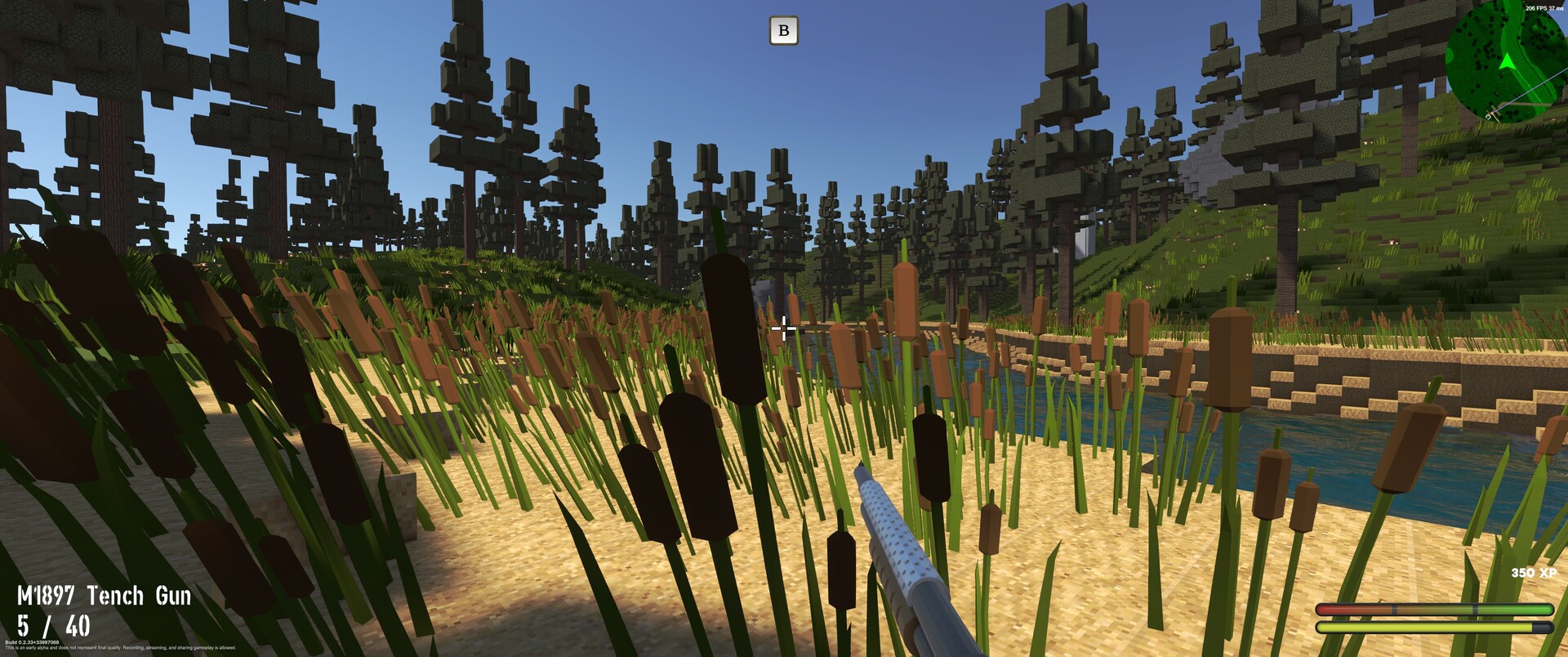
Describe goals, information available to the agent, acceptable mistakes, difficulty, fairness and multiplayer authority.
Build a small encounter with visualization and telemetry to test behavior and designer control.
Connect navigation, animation, combat, simulation, authoring data and network ownership.
Test many agents, adverse world states and frame budgets while giving designers useful controls and diagnostics.
DELIVERABLES
The system includes runtime behavior, content-authoring support and the tools required to understand why an agent acted.
TEAM EVIDENCE
Projects include original Backend Alchemist productions and work delivered by current team members in previous studio, leadership and contract roles. Each project page states the team's contribution.
FAQ
No. Most moment-to-moment game behavior is a realtime decision, navigation and simulation problem. Generative models are considered only for suitable bounded features.
Yes. We design simulation frequency, relevance, path work and replication around server capacity and the gameplay consequences of authority.
Yes. We identify the useful parameters, data and debug views so tuning remains controlled without exposing unsafe internal complexity.
NEXT STEP
A technical lead will review the current state and recommend the smallest useful next step.
Start a project